A closed loop that is never used up
“Freon” is the everyday name for the refrigerant gas that circulates inside an AC. It absorbs heat from the room air as it passes through the indoor coil, carries it to the outdoor unit and releases it, then returns to repeat the cycle thousands of times a day.
This loop is closed. Refrigerant is not consumed or burnt like fuel in a car. If it is low, there is a leak, or the original installation was not charged with the right amount. That is the most important point in this whole guide: a refill without fixing the leak is a temporary fix you pay for again and again.
The signs I look for
The first sign homeowners notice is lukewarm or weak air, even though the fan and the outdoor unit are both running. When I arrive, the first thing I look at is the thin copper pipe at the outdoor unit. If there is frost or ice on it, that is a strong sign. It may seem odd for anything to freeze in an AC that is short of refrigerant, but low refrigerant lowers the pressure and temperature in parts of the loop so moisture freezes on them, and the same can happen on the indoor coil.
Other signs include a compressor that runs for very long periods without the room reaching the set temperature, or a bubbling or hissing sound near the pipes. Freezing leads to another sign, as ice on the coil melts when the unit stops and the tray overflows, so water leaks. Finally, oily patches around the joints or valves, because compressor oil travels with the gas and escapes with it at the leak. Those patches often show me where the leak is before any instrument does.
Faults that look like low refrigerant
Before assuming the problem is refrigerant, remember that other faults produce the same symptoms. A dirty filter or coil blocks the airflow so cooling drops, and the coil may freeze too. The fix there is cleaning, not gas. A dirty outdoor condenser stops the unit shedding heat, so cooling weakens, especially at midday.
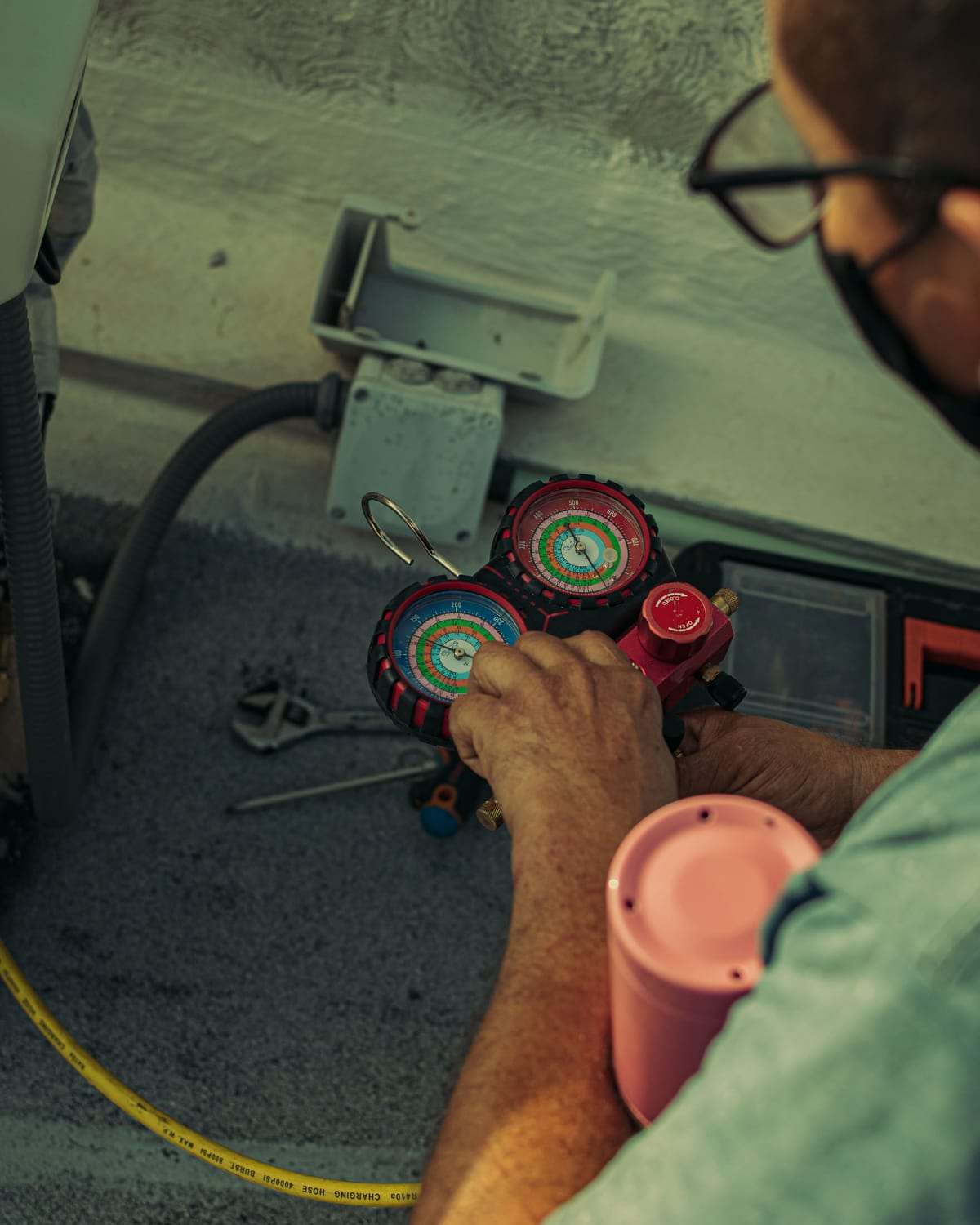
If the capacitor or the outdoor fan is not working properly, the air will not be cold however much refrigerant there is. And sometimes the capacity is simply too low, so a small unit in a large or west-facing room runs for hours without coping even with a full charge. That is why a good technician measures the pressure with proper gauges before deciding. The order of checks is in our guide AC not cooling.
What a good technician does
This is the right order, and if a technician jumps straight to step four, ask him why:
- Measure the pressure with proper gauges, not by touch or eye.
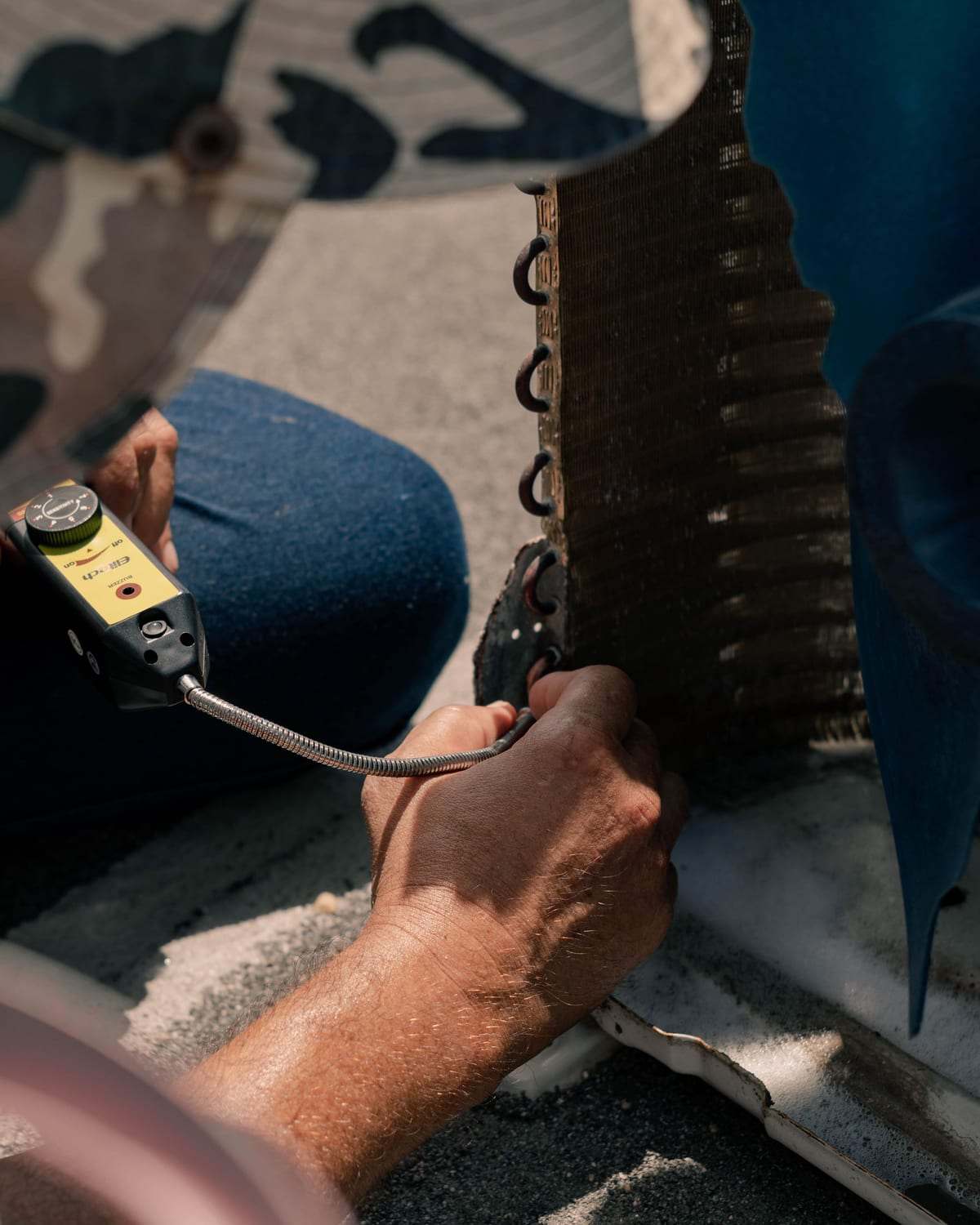
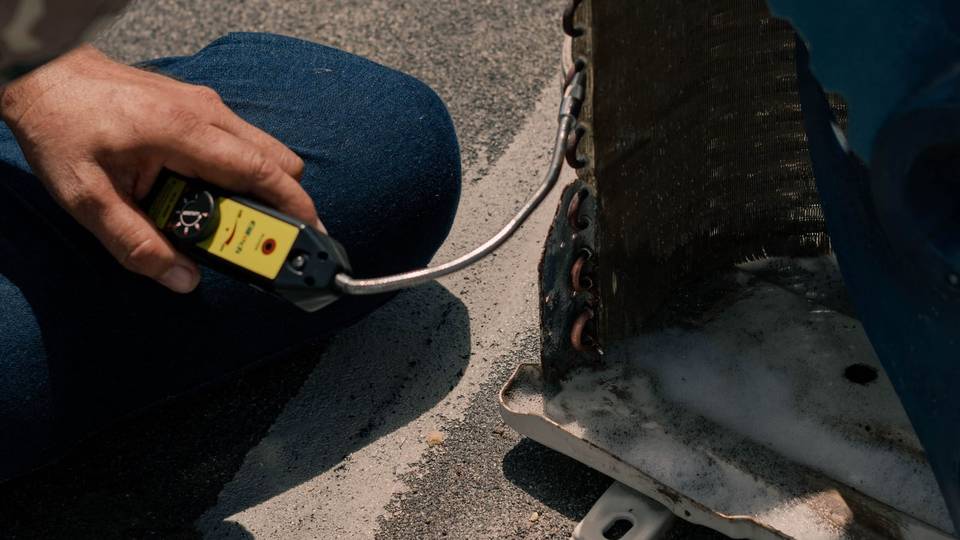
- Look for the leak at the joints, valves and indoor and outdoor coils.
- Fix the leak first, by brazing, tightening a joint or replacing a part, then vacuum if needed.
- Charge the correct type of refrigerant in the right amount for the unit.
- Check performance after the refill and explain what was done.
Type and quantity
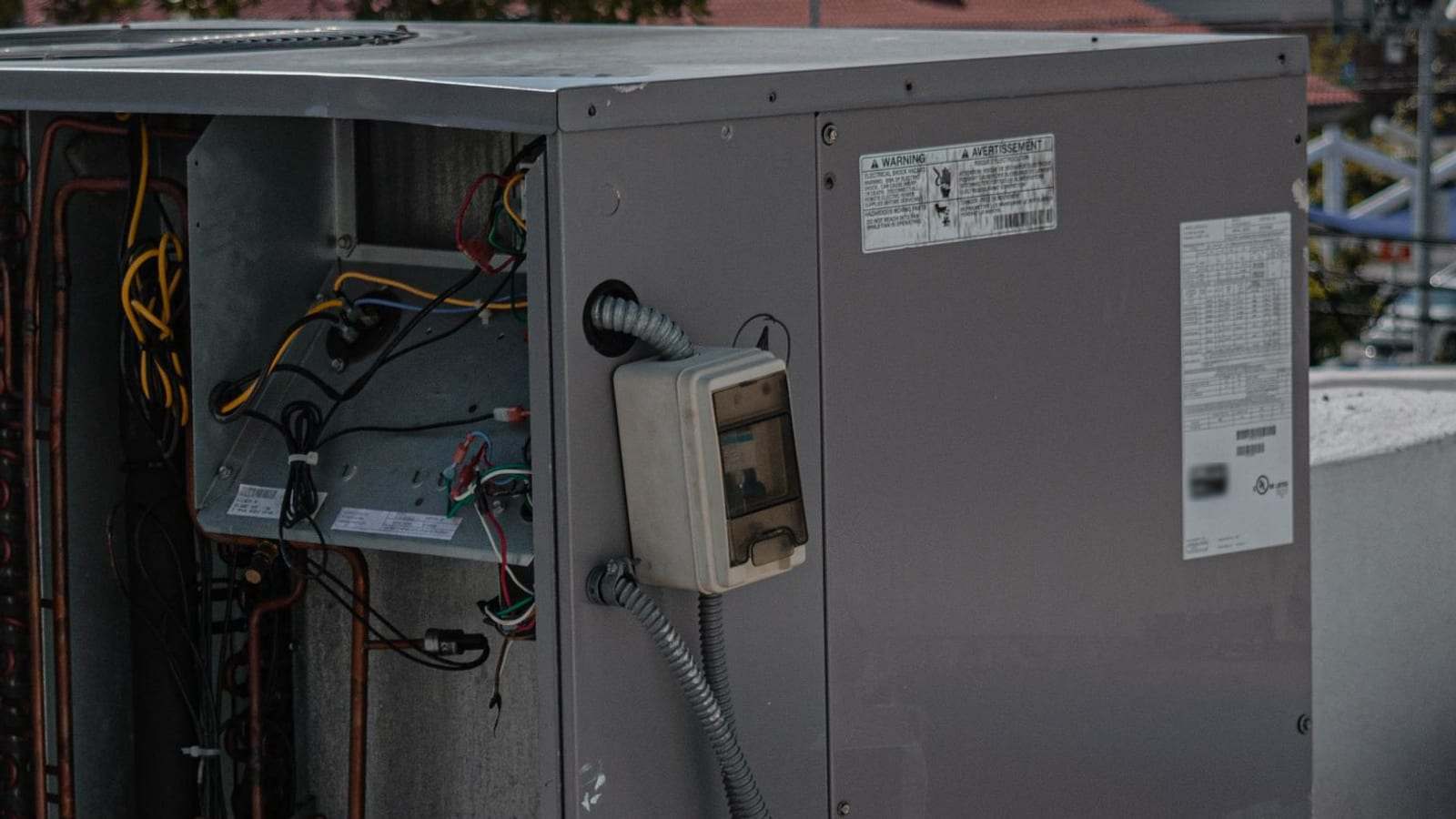
Every AC is designed for a specific refrigerant, usually printed on the outdoor unit’s label. Using a different type or mixing two can damage the compressor and reduce efficiency, so ask the technician which type he will use and compare it with the label yourself.
Quantity matters just as much. Overcharging is no better than undercharging. It can raise the pressure and strain the compressor. A good technician charges according to the unit’s specification and the gauge readings, not by guesswork, and not with the line “we added a bit extra so it cools better”.
Where leaks usually come from
The most common leak points are the joints between the pipes and the two units, because they are tightened by hand during installation, and any fault in preparing or tightening a pipe end can cause a slow leak that only shows months later. That is why I keep saying the quality of the installation decides how long an AC lasts.
Other causes include vibration of a poorly mounted outdoor unit, which rubs a pipe against metal until it wears through, and corrosion from humidity and salt in Jeddah, Dammam and Khobar, where condenser fins and copper joints suffer over the years. And finally a rushed removal when moving house, if the refrigerant was not pumped down into the outdoor unit first.
How to reduce the risk
Choose an installer who vacuums the system and tests the joints after installation, and who does not skip those steps to save half an hour. Make sure the outdoor unit sits on a solid base or bracket that limits vibration. In coastal cities, ask for corrosion checks and a condenser rinse as part of periodic maintenance.
When you move, ask for proper removal and reinstallation with the refrigerant pumped down, not a quick disconnect. And do not ignore the first symptoms. A small leak caught early is easier and cheaper to repair than one that left the compressor running short of refrigerant all summer.
The leak-detection visit
The technician usually starts by measuring the pressure and running the AC to watch how it performs, then inspects the joints and valves by eye and with whatever detection tools he carries. It can take time if the leak is small or hidden, and he may need access to both units. If he finds the leak, he will explain where it is and how it can be repaired before starting, and if it is in a part that is hard to repair, he will set out the options so you can decide.
When a leak means it is time to replace the AC
If the leak is in the coil itself and the AC is old, if the refrigerant keeps running low despite repairs, or if the unit uses an older gas that is hard to find, replacement may be better value than repeated repairs. Discuss it with the technician, and if you decide to replace, read how to choose the right AC size and type and request offers on a new AC.
How to request the service
When you request AC repair, describe the symptoms precisely. Is ice forming? When did the cooling weaken? Has refrigerant been added before, and when? That information lets the company bring leak-detection tools on the first visit.
If the AC has been topped up more than once in a short time, say so plainly and ask for leak detection, not just a refill. Keep the invoice after every visit. It records the gas type and what was done, which helps any technician who checks the AC later.
FAQ
Does an AC need a refrigerant refill every year?
No. Refrigerant is not used up in a sound system. If the AC needs a refill every year, there is a leak that must be repaired.
Can low refrigerant damage the compressor?
Yes. Running the AC for a long time with a large shortfall can overwork the compressor, so do not put off the inspection.
How do I find out which refrigerant my AC uses?
It is usually printed on the label on the outdoor unit or in the manual. Take a photo and send it to the technician when you get in touch.
Does ice on the pipes always mean low refrigerant?
No. A clogged filter, a dirty coil or a weak indoor fan can cause it too. Start by cleaning the filter, and if the ice comes back, ask for a pressure check before any refill.