Why size matters so much
An AC that is too small for the room runs almost without stopping. The compressor never rests, power is drawn all the time, and the room stays warm in the peak hours between two and five in the afternoon. Over time the unit wears out faster than it should, and faults arrive early.
An oversized AC has a less obvious problem. It cools the room quickly, switches off, then starts again a few minutes later, and that constant cycling wastes energy and strains the parts. Worse, it never runs long enough to pull moisture out of the air, so the room feels cold but heavy, which is exactly what many people complain about in Jeddah and Dammam. The right size is the one that runs steadily and reaches the set temperature without struggling or stuttering.
Start with the floor area
Measure the length and width of the room in metres and multiply them. That is your starting point. In our hot climate, these are the rough figures I use with customers for an ordinary room with a ceiling of about three metres.
- Up to about 15 m²: around 12,000 BTU (1 ton).
- 15 to 25 m²: around 18,000 BTU (1.5 tons).
- 25 to 35 m²: around 24,000 BTU (2 tons).
- Over 35 m²: 30,000 BTU or more, or more than one unit.
These figures are a starting point, not an engineering calculation. A precise calculation takes insulation, windows, orientation and the number of people into account, which is what a good technician does on a site visit.
What raises the need in our homes
The first thing I ask about is which way the room faces. A west-facing room that takes the afternoon sun needs more capacity than a north-facing room of the same size, sometimes a whole step up. The same goes for top-floor rooms under an exposed roof. The roof soaks up heat all day and releases it in the evening, which is why annex rooms stay hot long after sunset.
Large glass windows add noticeably to the heat load, especially without reflective blinds. A high ceiling in a modern majlis means a larger volume of air to cool, so a majlis with a four-and-a-half-metre ceiling cannot be treated like a room with a three-metre one. A majlis that holds twenty people in the evening has a different load from a bedroom for two, because every person is a small heat source. And a kitchen open to the living area can raise the need more than you would expect from cooking alone.
If one or two of these apply to your room, go one size up from the list. If almost all of them apply, ask for a site visit before you buy.
BTU, tons and kilowatts
The salesman will talk in BTU, the technician in tons, and the label may show a figure in kilowatts. They are three ways of saying the same thing. One ton equals 12,000 BTU per hour, or about 3.5 kW of cooling capacity. So an 18,000 BTU unit is a ton and a half, and a 24,000 BTU unit is two tons.
Note that cooling capacity is not the same as power consumption. The first tells you how much heat the unit removes from the room, the second how much it draws from the grid, and the ratio between them is the efficiency shown on the energy label.
Which type suits the space?
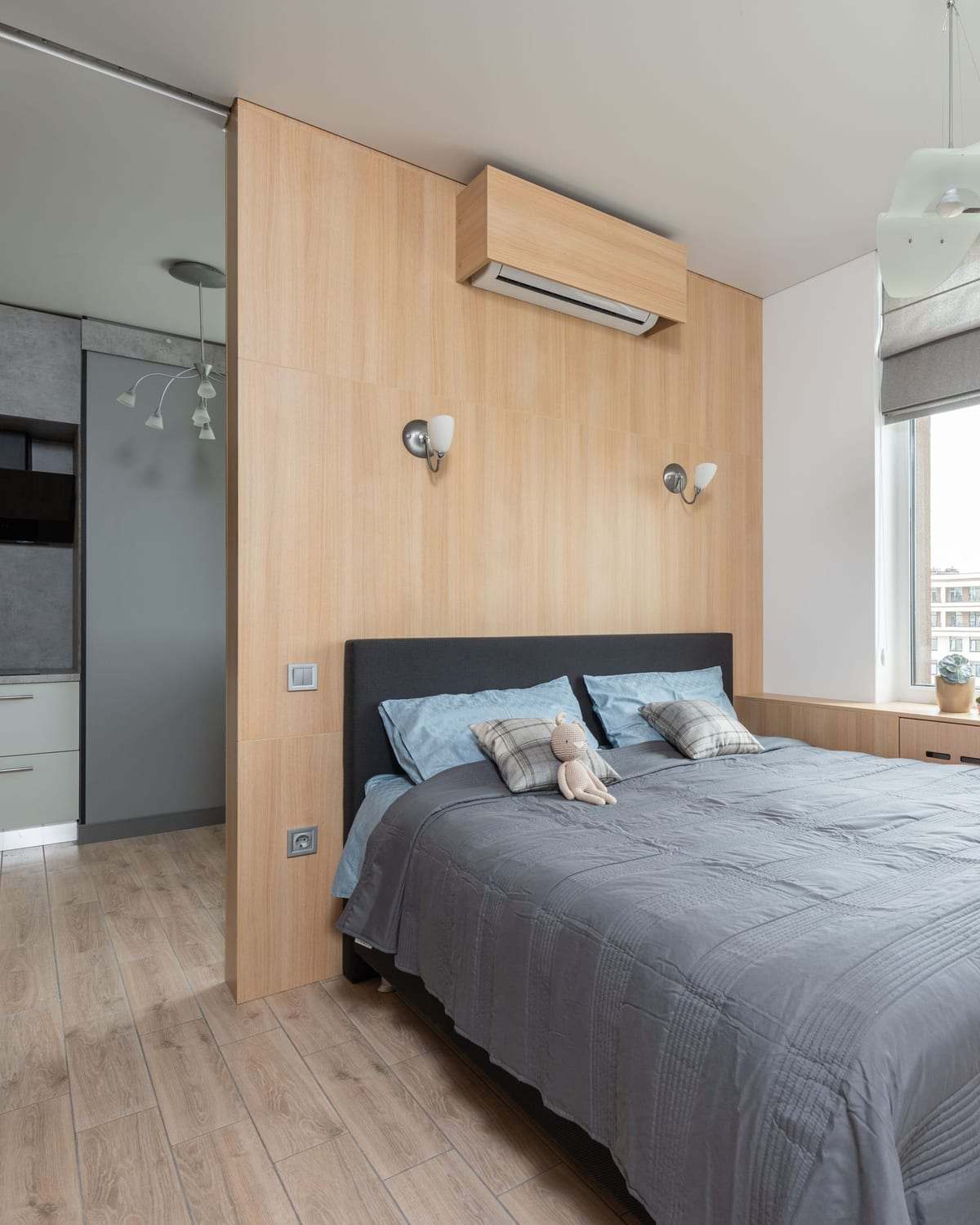
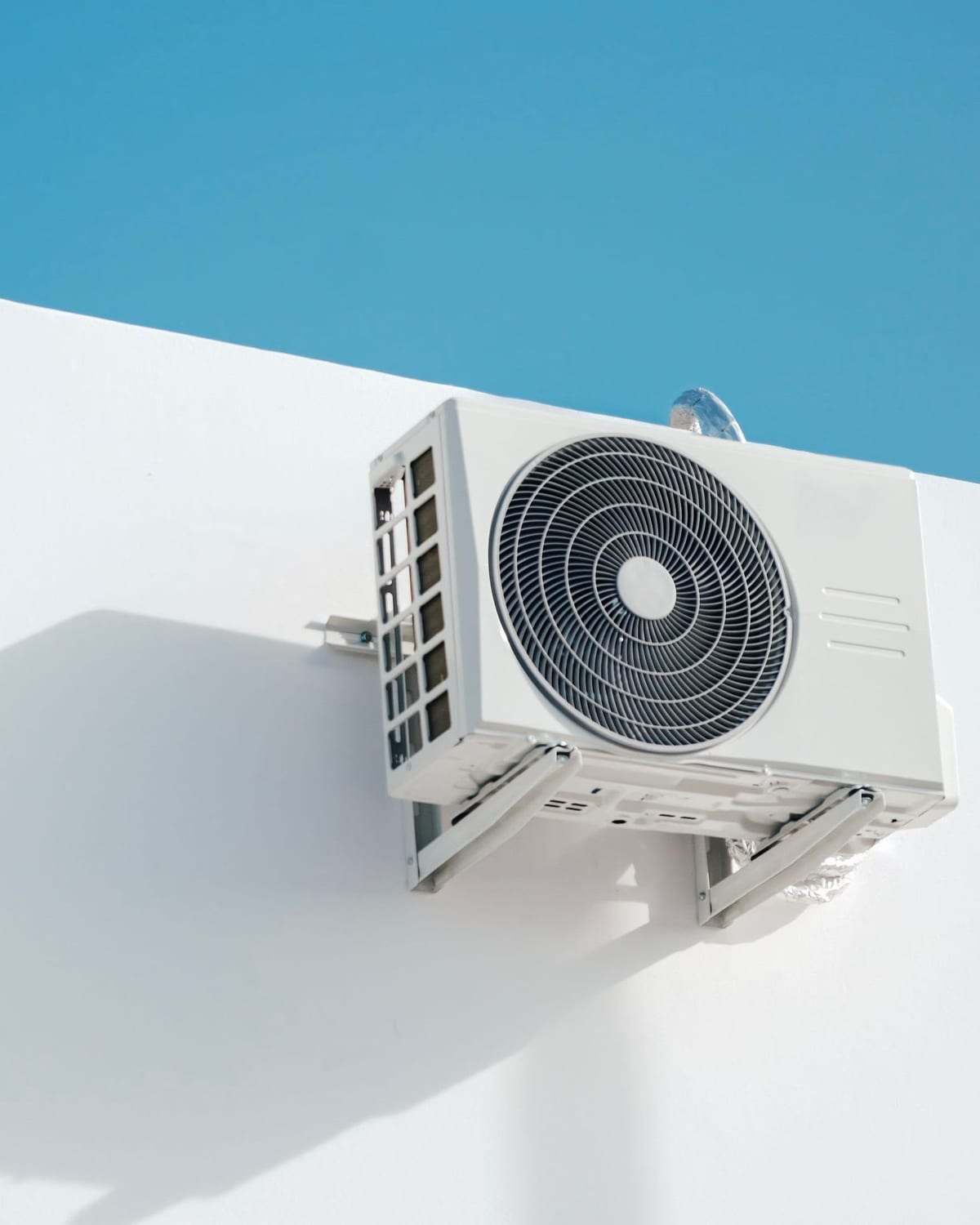
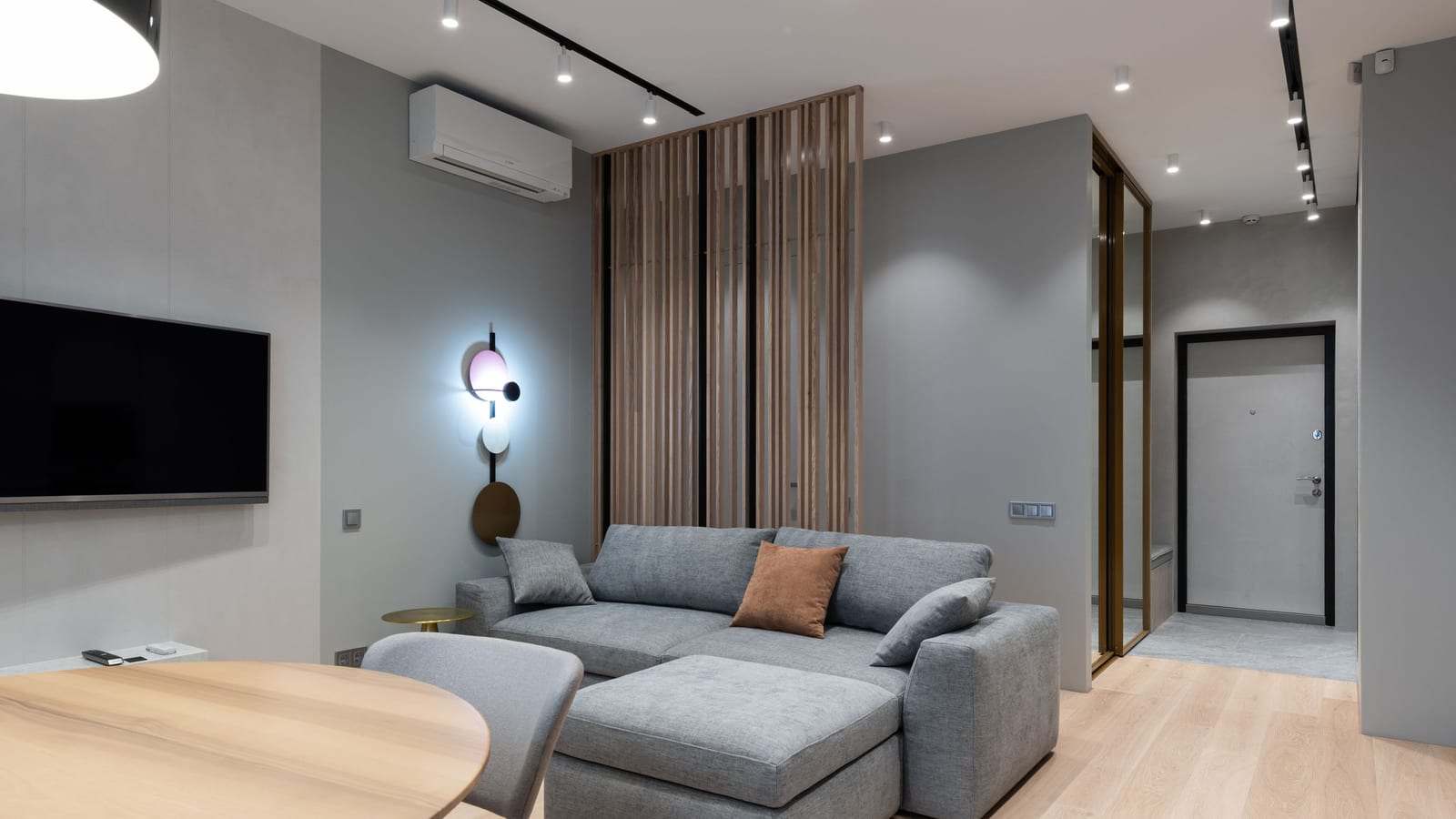
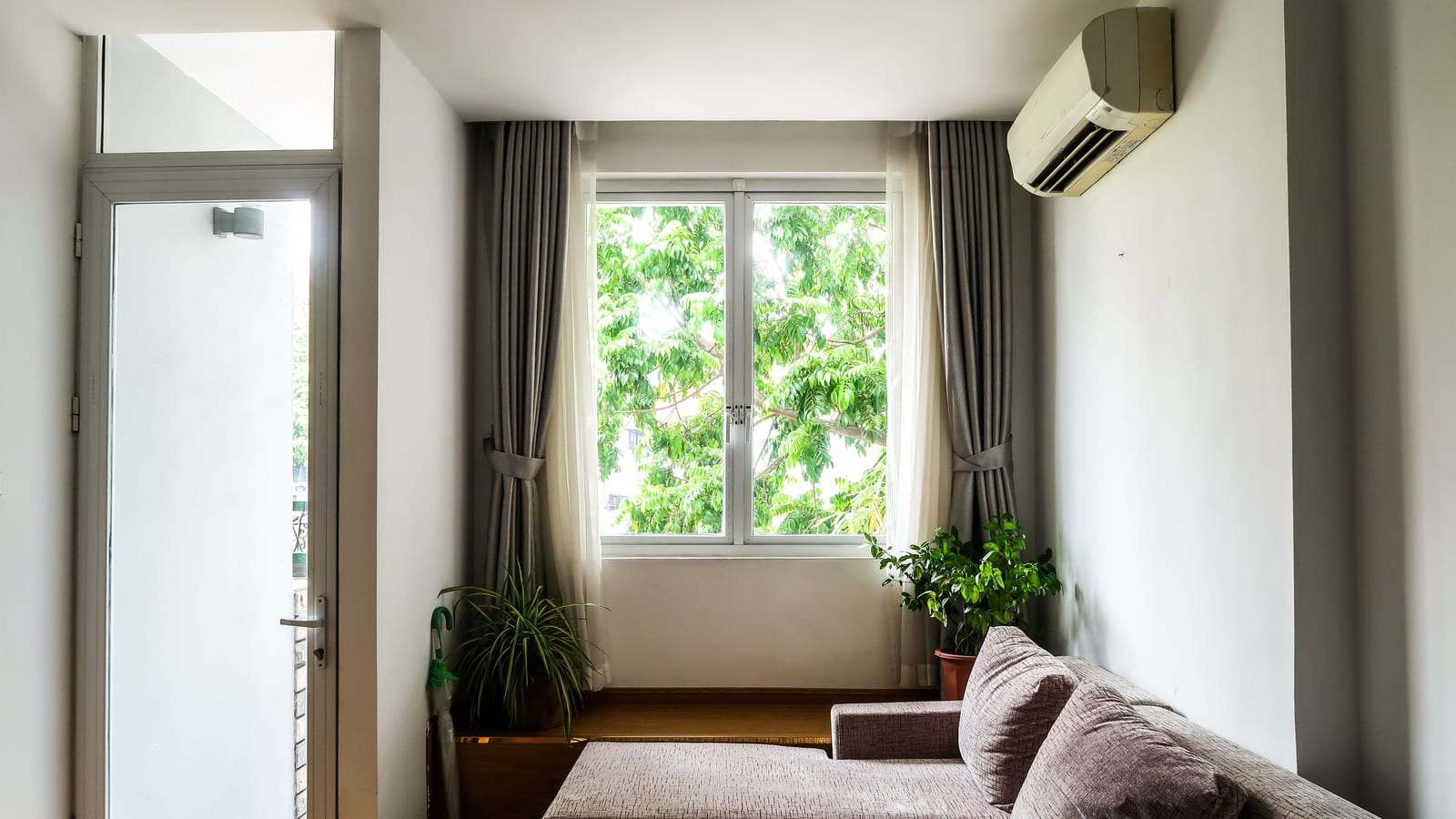
A wall-mounted split is the natural choice for most bedrooms and small to medium majlis rooms. It is quiet in the room because the compressor sits in the outdoor unit, it is efficient, and it looks tidy. It needs a suitable spot for the outdoor unit and copper piping between the two, so if you rent or the facade does not allow it, think carefully before choosing one.
A window AC still makes sense in some cases, for example when the wall opening already exists from an old unit, in an annex or staff room, or when you want a simple install without piping. Its main drawbacks are the noise inside the room and the space it takes from the wall or window.
A floor-standing unit is a larger floor unit, and I see it often in living rooms and large majlis spaces where one split is not enough and the owners do not want ceiling work. Cassette and concealed units sit in a false ceiling and spread the air more evenly and more discreetly. They suit large majlis rooms and offices, but they must be planned before the plasterwork, not after it.
Central AC is a solution for a whole house or building, with ducts reaching every room. It is not a unit you pick up at a showroom but a project that needs a load calculation, a design and a site survey. If that is where you are, read our central AC and ducts page, and for a detailed comparison of the types read split vs window vs central.
Inverters and the energy label
A conventional AC runs at one speed. It works flat out until the room reaches the set temperature, switches the compressor off, then starts again. An inverter slows the compressor down and speeds it up as needed, so it keeps running quietly at a steadier temperature. In our homes, where the AC runs for many hours a day for months, the difference usually shows in both the bill and the comfort, which is why I recommend inverters for bedrooms and majlis rooms used every day.
Every unit sold in the Kingdom carries an energy efficiency label with a star rating. The higher the rating, the lower the consumption for the same cooling capacity. Do not compare prices alone between two offers. Compare the rating too, because a slightly cheaper unit can cost you more over several summers.
Inland heat and coastal humidity
The Kingdom’s climate is not like any other, and an AC that performs well in a mild country can struggle here. In Riyadh, Qassim and other inland areas, summer temperatures can pass fifty degrees in the shade, and the outdoor unit on the roof sees even more. So check that the unit is rated for high ambient temperatures. Units designed for it hold their cooling capacity when the heat is at its worst.
In coastal cities such as Jeddah, Dammam and Khobar, humidity and salty air come into play. There I recommend asking about an anti-corrosion coating on the outdoor unit’s condenser, because salt eats away at the aluminium fins over time. And in these cities especially, do not oversize. An AC that is bigger than needed leaves the humidity in the room.
Real examples
A 12 m² north-facing bedroom on a middle floor, used by two people: a 12,000 BTU inverter split is more than enough. This is the easiest case, and the mistake I see most here is buying 18,000 BTU just in case, which leaves the room cold and clammy at night.
A 30 m² west-facing majlis on the top floor, with a high ceiling and many guests in the evening: 24,000 BTU is the minimum here, and the better option may be two 18,000 BTU splits on either side of the room, or one larger floor-standing unit. Spreading the load over two units gives more even cooling and lets you run just one when the majlis is nearly empty.
A 50 m² living area open to the kitchen: I do not recommend a single unit on one wall, because the far end will stay warm. Two units, a ceiling cassette if the finishing work is not done yet, or a central system if the whole house is being air-conditioned from scratch.
Mistakes I see often
The first mistake is buying on price alone without looking at capacity and the energy rating. The second is copying the size of a neighbour’s AC because his room looks like yours, when his faces north and yours faces west. The third is ignoring where the outdoor unit will go until installation day, then finding there is no suitable spot, or that the copper run will be so long it hurts performance.
I also see people buy the unit in one place and the installation in another without asking about warranties. The manufacturer’s warranty on the unit is one thing, the installation warranty another, and the dispute between them usually comes with the first leak. Ask about both and have them written down. If you need installation separately, see AC installation.
How to get suitable offers
Once you know the area, the orientation and the kind of space, requesting offers is simple. Our buy a new AC page explains what drives the price, and in the request form you choose the type, approximate size, number of units and if you need installation, so offers arrive from suppliers and companies in your city. If you are not sure of the size, choose "Not sure" and the company will help you decide before you pay anything.
FAQ
How many BTU do I need for a 20 m² room?
In our hot climate an ordinary 20 m² room needs around 18,000 BTU. If it faces west, is on the top floor or has a high ceiling, it may need 24,000 BTU, and it is best to have a technician confirm that on a site visit.
Is one large AC better than two smaller ones?
In large spaces and long majlis rooms, two units give more even cooling and let you run just one when the room is lightly used. An ordinary room is fine with a single unit of the right size.
Does a bigger AC always use more electricity?
Not necessarily. An undersized AC can use more because it runs without stopping. What matters is the right size and a good energy rating.
What is the difference between tons and BTU?
Both measure cooling capacity. One ton equals 12,000 BTU per hour, so a two-ton AC is 24,000 BTU.
Is an inverter right for every room?
It is most useful in rooms where the AC runs for many hours a day, such as bedrooms and majlis rooms. In a room that is rarely used the difference is smaller.
What should I choose in the request if I do not know the size?
Choose "Not sure" and mention the room area if you know it. The companies that contact you will suggest the right size, and you can ask for a site visit before buying.