When to start
The best time is spring, before temperatures climb noticeably. Demand for technicians is lower, appointments are easier to get, and there is time to fix anything that turns up or to wait for a part that is out of stock. Finding a weak capacitor in April is a one-day job. Finding it in August can mean a week in the heat.
The timing shifts a little with your city. In coastal cities like Jeddah the AC runs for much of the year, so you may need a check before the peak of the humidity as well. In Riyadh and the inland cities, cleaning after the dust seasons matters most. You will find details on your city page: Riyadh, Jeddah and Dammam.
Half an hour of your own work
Switch off the power to the AC before opening any cover, then start with the filters. Take them out, wash them in lukewarm water and let them dry completely in the shade, and if they are torn or brittle, ask for replacements. Then go out to the outdoor unit, remove any winter cover, and clear away leaves, bags and anything else that has gathered around it, so air can flow freely on every side.
Next, look at the drain pipe and make sure it is not broken or blocked on the outside, and that its end is somewhere sensible where water will not run down a neighbour’s wall. Change the remote batteries and try every mode. Finally, run each AC on cooling for a quarter of an hour, listen for any strange noise, and note any smell, leak or weak airflow.
Write down your notes for each unit, which ones cool well and which have something odd going on. A small sheet like that saves the technician half the visit, and saves you paying for that time.
What the technician’s inspection should cover
A real spring service is more than a wash. When you request AC maintenance, ask whether it includes a deep clean of the indoor coil, the blower wheel and the drain tray, washing the condenser in the outdoor unit, and clearing the drain pipe and checking the water flow before the humid months.
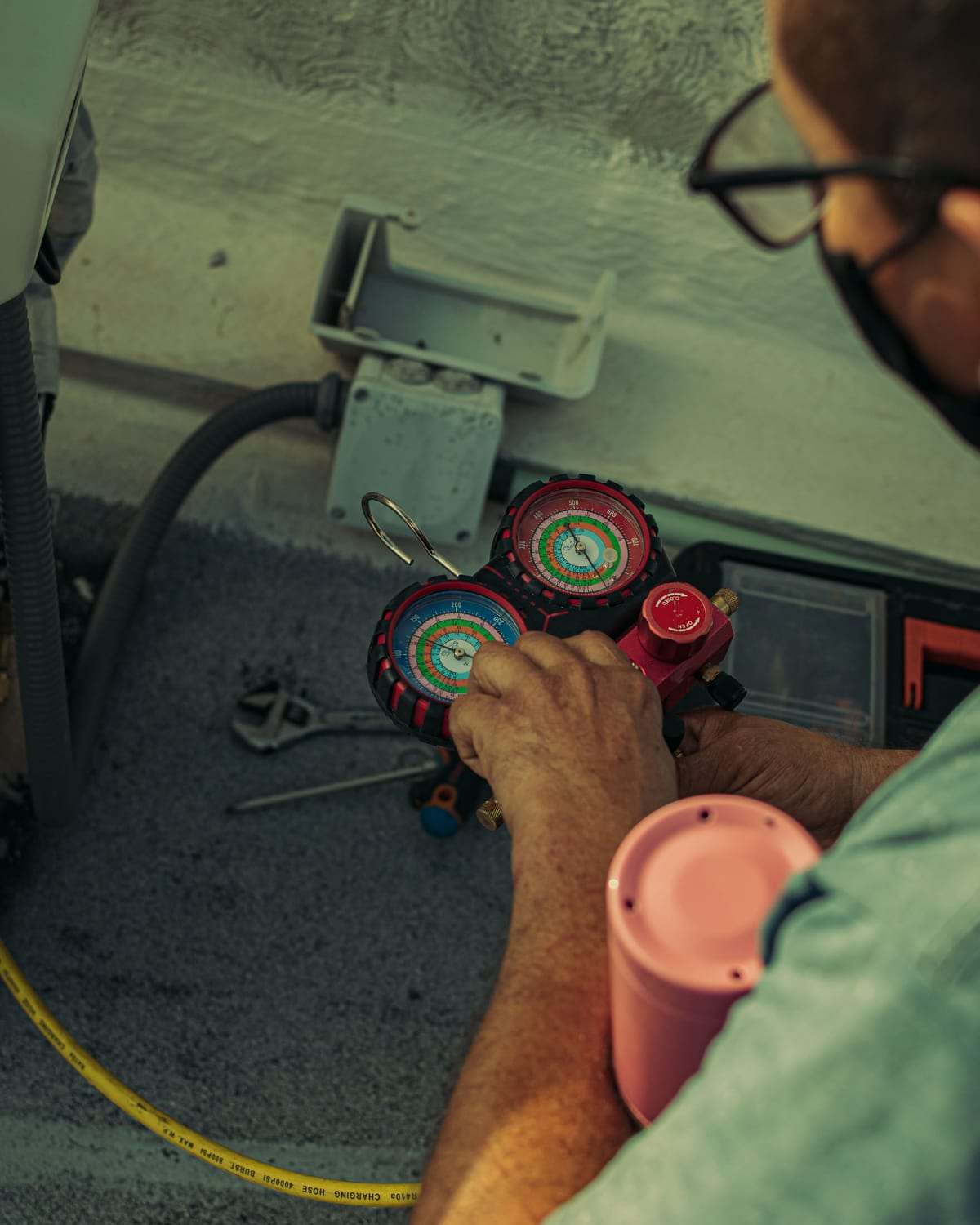
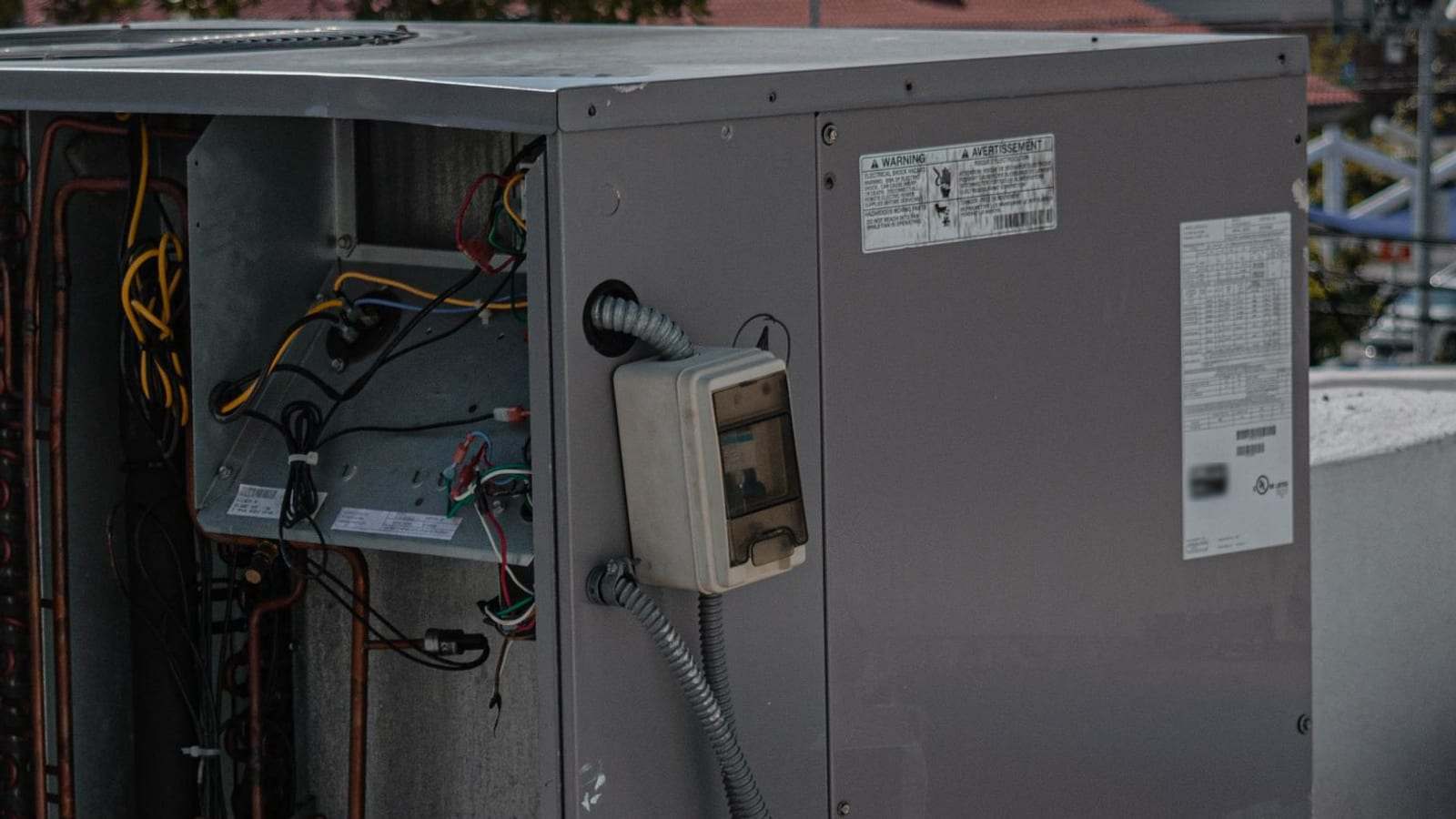
Ask specifically about the electrics, meaning the wiring, the contactor and the capacitor. These parts suffer in the heat and usually give up in the first heatwave, and checking them in spring is far cheaper than replacing a compressor they have damaged. Ask about measuring the pressure with gauges and finding any leak if refrigerant is low, as explained in our guide to signs of low refrigerant. A good technician also makes sure both fans spin smoothly without vibration, then measures how cold the air coming out is and compares it with what it should be.
Safety at first start-up
After months of standing idle, things can change without you noticing. A cable whose insulation has cracked in the sun, a weakened breaker, a pigeon’s nest inside the outdoor unit. I have pulled whole nests out of units on Riyadh rooftops with my own hands. So keep an eye on the AC the first time it runs, and do not leave it running while you are out.
If you smell burning or hot plastic, if the breaker trips more than once, or if you see sparks or scorching at the socket, switch the AC off at the breaker immediately and do not turn it back on until a qualified technician has checked it. Electrical faults are not fixed by trial and error.
What to focus on for each type
With a split, focus on the filter, coil and blower wheel inside, and on a clean condenser and a firmly mounted outdoor unit, and check that the insulation on the pipes between the units is intact and not cracked by the sun. With a window unit, check the frame and the seal around the opening, since gaps let in dust and heat, and book its full clean early because the unit has to come out.
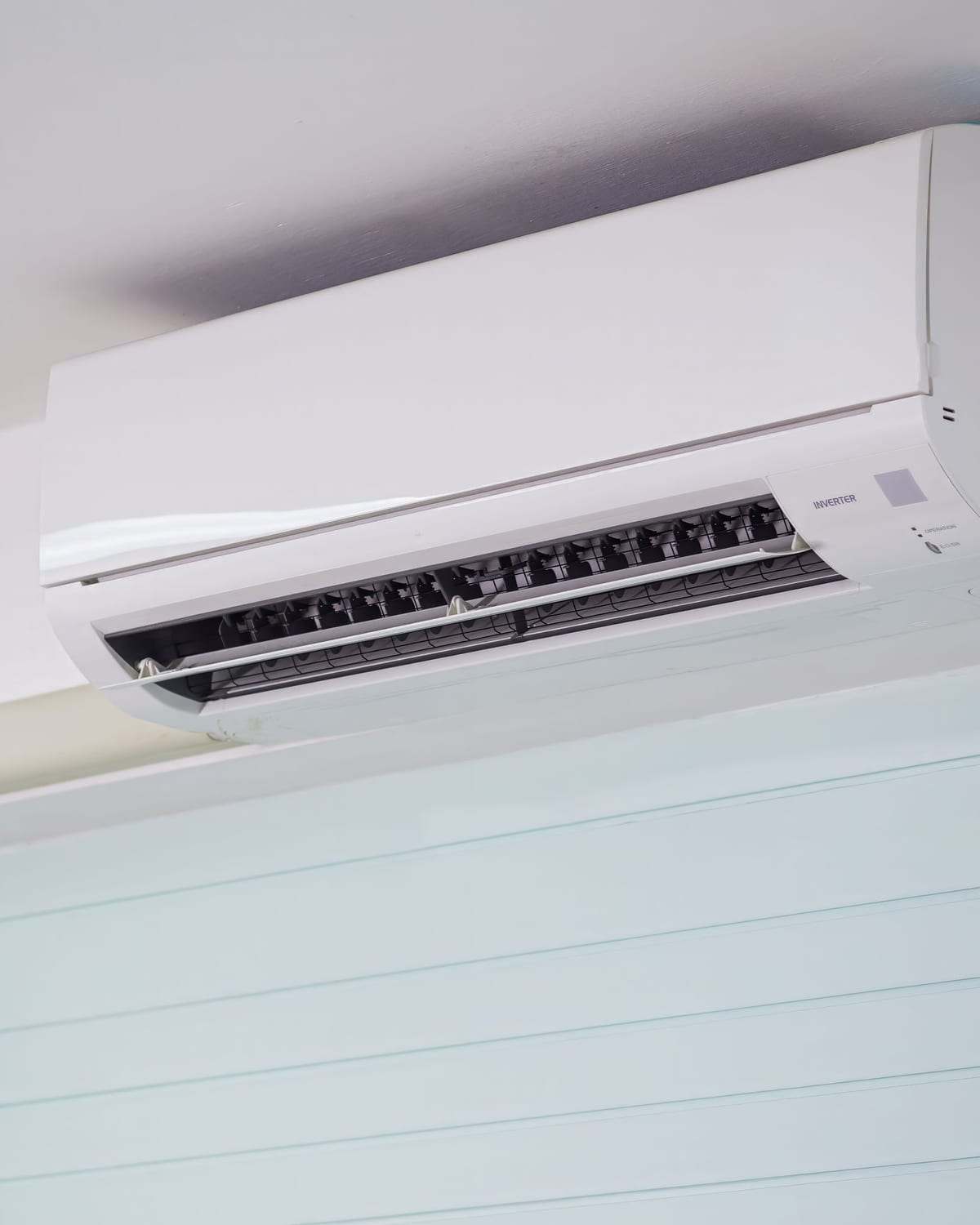
With a cassette, clean the filter in the ceiling and ask for the tray and any condensate pump to be checked, because a blockage there leaks into the false ceiling. With central and concealed systems, change or clean the return-grille filters and ask for the ducts, drainage and outdoor unit to be checked, with details on our central AC page. If you are not sure which type you have, photograph both units and send the pictures when the company contacts you.
Several ACs or a whole building
In large villas, apartment buildings and offices it is hard to keep track of every unit. Make a list of the ACs, where each one is, its type, rough age, last service and any problem you have noticed, then ask for all of them to be serviced in one visit or a series of visits.
In rented buildings, agree the visit date with tenants in advance and let them know the technician will need access to the indoor and outdoor units, since early coordination avoids wasted visits. For anyone running a building or a commercial property, a commercial maintenance contract makes sure the preparation happens every year without anyone having to remember it.
Running the AC through summer
Set a moderate temperature rather than the lowest one available. An AC does not cool faster at sixteen degrees, it just runs longer. Close the curtains during hours of direct sun, especially in west-facing rooms, and keep doors shut between air-conditioned and non-air-conditioned rooms.
Keep cleaning the filter about every two weeks and after every dust storm. Avoid switching the AC on and off many times a day, as steady running at a moderate setting is usually better. And if you notice the cooling weakening, do not wait for the AC to stop altogether. See our guide AC not cooling.
An AC that will not survive the summer
Some units give early warnings in the spring test. A compressor that starts and cuts out, a slow outdoor fan, a clicking or grinding noise, or weak cooling even after a clean. These signs usually get worse with the heat, so do not ignore them.
If the AC is old and keeps breaking down, spring may be the right time to replace it rather than risk it failing in the middle of August. Read how to choose the right AC size and type, and request offers on a new AC before the rush begins.
A summary to remember
If you keep only four lines from this guide, keep these:
- In spring: book a full service and clean.
- Before the visit: clean the filters, test every unit and note what you find.
- During the visit: ask about the electrics, capacitor, pressure and drainage.
- Through summer: clean filters regularly and ask for a check at the first sign of weakness.
Ready to book? Request maintenance offers from companies in your city with one request.
FAQ
Do I need a service if the AC is working well?
Yes. A spring service finds weak parts and deposits before they cause a breakdown on the hottest days, and an AC that runs well in March may not in August.
Should I cover the outdoor unit in winter?
Unused units can be covered to protect them from dust, but remove the cover completely before use, and never run the AC with the unit covered.
How long does preparing the AC take?
Your own checks take about half an hour. A technician’s visit varies with the number, type and condition of the units.
Can I put off maintenance until mid-summer?
You can, but appointments are harder to get at the peak of the heat, and any fault found then means days without cooling. Spring gives you time to repair and compare offers without pressure.